

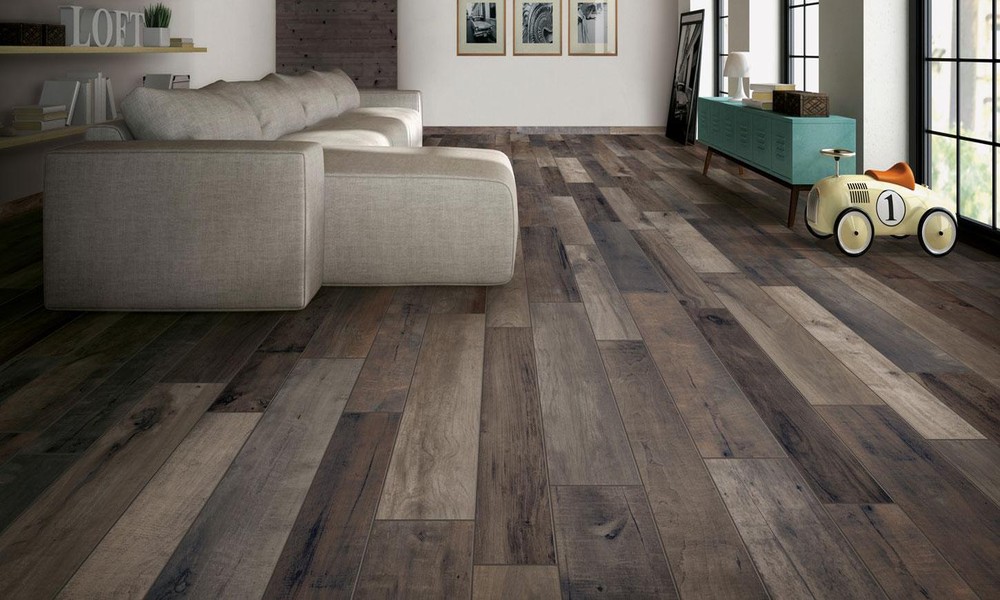
Parquet flooring-a timeless design known for its geometric patterns and rich wooden textures-is experiencing a remarkable resurgence in modern interior design. Once considered a symbol of traditional elegance and often associated with classic European homes, parquet is now reclaiming its place in contemporary spaces, appealing to homeowners, designers, and architects alike. But what is driving this revival, and why should you consider parquet flooring for your home? Let’s dive in.
A Brief History of Parquet Flooring
Parquet flooring dates back to 17th-century France, where it was originally installed in palaces and grand estates. Its name comes from the French word “parchet,” meaning a small enclosed space, referring to the intricate wooden patterns that make up the floor. Unlike plain wooden planks, parquet floors are laid in decorative patterns, the most iconic being herringbone and chevron. Historically, parquet symbolized sophistication and luxury, reserved for the homes of nobility and the elite.
Over time, however, parquet fell out of mainstream popularity, with homeowners gravitating toward simpler wooden or laminate flooring options. But design trends, as they often do, have a way of circling back-and today, parquet is enjoying a modern renaissance.
Why Parquet Flooring Is Trending Again
Versatility Meets Modern Design
Modern interior design values versatility, and parquet delivers just that. The classic geometric patterns now come in a variety of wood types, finishes, and colors, allowing designers to tailor floors to any aesthetic-from minimalist Scandinavian interiors to bold, eclectic spaces. Herringbone patterns in light oak, for instance, bring warmth and sophistication to modern lofts, while dark walnut chevron adds drama to contemporary living rooms.
Eco-Friendly and Sustainable Options
Sustainability has become a crucial factor in home design, and parquet flooring is evolving to meet that demand. Many manufacturers now offer parquet made from responsibly sourced wood or reclaimed materials. This means homeowners can enjoy the beauty of traditional flooring while making an environmentally conscious choice. Plus, the durability of parquet ensures it lasts for decades, reducing the need for replacements-a win for both the wallet and the planet.
Customizable Patterns and Designs
One of parquet’s most compelling features is its ability to transform a room through pattern alone. While herringbone and chevron are the most popular, contemporary designers are experimenting with intricate geometric and modular patterns, creating floors that serve as works of art. This flexibility allows parquet to seamlessly fit into both classic and modern interiors, making it a favorite among designers who want to make a bold statement without overwhelming a space.
Increased Home Value
Investing in high-quality parquet flooring can increase your home’s resale value. Prospective buyers often see parquet as a luxurious, timeless feature that adds character and elegance to a property. Unlike laminate or vinyl flooring, which may look attractive initially but degrade over time, parquet can be sanded and refinished multiple times, ensuring that it maintains its beauty for generations.
Styling Parquet in Modern Spaces
Modern homes are embracing parquet flooring in creative ways that blend tradition with contemporary aesthetics. Here are a few popular approaches:
Mixing Patterns: Some homeowners are combining different parquet patterns within the same space to create visual interest. For example, a herringbone pattern in the living area can transition into a square or basket-weave design in the dining room.
Color Play: Whitewashed or gray-stained parquet offers a fresh, modern twist on the classic wood tone, complementing neutral walls and minimalist furniture. Meanwhile, darker tones create a sense of luxury and coziness.
Contrasting Materials: Pairing parquet with concrete, metal, or glass elements adds a sophisticated contrast that bridges old-world charm with contemporary flair.
Maintenance Made Easy
One reason parquet has remained relevant is its ease of maintenance. Regular sweeping and occasional polishing are enough to keep it looking pristine. For deeper cleaning or refinishing, parquet’s modular construction allows individual tiles to be replaced without disturbing the entire floor-a significant advantage over traditional hardwood planks.
Final Thoughts
Parquet flooring is no longer confined to grand palaces or period homes. Its revival in modern interior design is driven by versatility, sustainability, and timeless beauty. Whether you’re renovating a historic property, updating a contemporary Vinyl Flooring apartment, or designing a new build from scratch, parquet offers a unique opportunity to combine artistry and functionality underfoot.
With its rich history, customizable patterns, and sustainable options, parquet flooring is not just a trend-it’s a statement. By choosing parquet, you’re embracing a design element that connects the elegance of the past with the innovation of the present, creating spaces that are both stylish and enduring.
In short, parquet isn’t just making a comeback; it’s proving that some classics never go out of style.
