

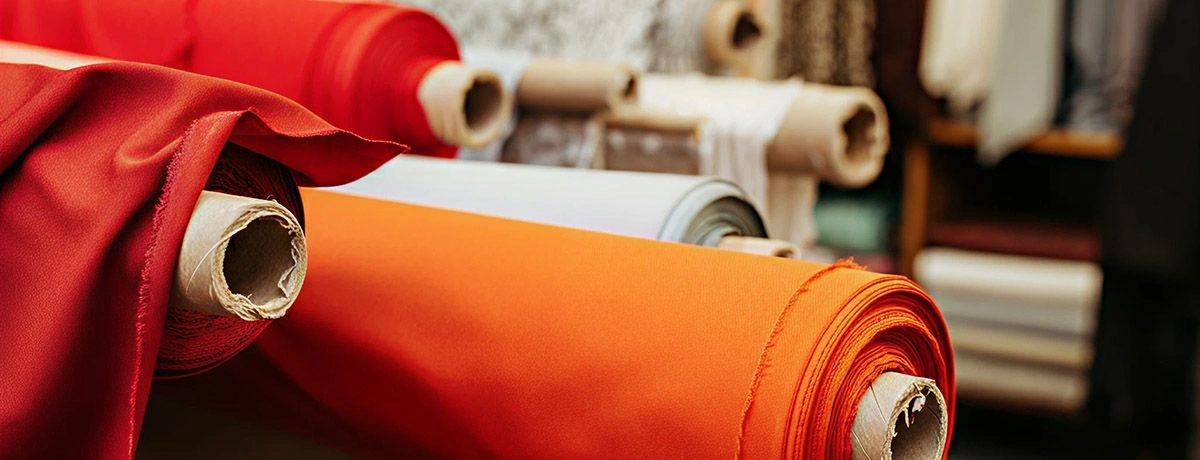
Polyester filament bed sheets have become an integral part of the global bedding market, especially in sectors where durability, consistency, and operational efficiency are prioritized. Unlike natural-fiber bedding, polyester filament-based products are engineered for predictable performance, making them highly suitable for large-scale production and institutional use.
As textile manufacturing continues to evolve, professionals must assess polyester filament bed sheets not just as a cost-effective alternative, but as a technically distinct product category with its own material behavior, processing requirements, and market positioning.
Material Characteristics of Polyester Filament Fabrics
Polyester filament yarn is produced from continuous synthetic fibers rather than short staple fibers. This structural difference gives polyester filament fabrics several inherent advantages, including uniform yarn strength, smooth surface appearance, and low variability during weaving.
For textile professionals, these characteristics translate into:
- Stable weaving performance
- Reduced yarn breakage
- Consistent fabric density
- Predictable finishing results
Understanding these fundamentals is essential when evaluating polyester filament bedding products.
Manufacturing Perspective: What Textile Professionals Need to Know
From a production standpoint, polyester filament bed sheets demand a different evaluation approach compared to cotton or blended fabrics. Yarn denier, filament count, and luster levels directly influence fabric hand feel, appearance, and cost.
This is where an in-depth guide to polyester filament bed sheets for textile professionals becomes valuable, offering insight into how yarn engineering, weave selection, and finishing decisions collectively define product performance rather than relying on surface-level comparisons.
Weave Structures and Fabric Construction
Polyester filament bed sheets are commonly produced using:
- Plain weaves, which prioritize durability and dimensional stability
- Sateen weaves, which enhance smoothness and drape
The choice of weave affects not only comfort perception but also yarn consumption, fabric weight, and long-term appearance retention. Textile professionals often balance weave selection based on end-use requirements rather than aesthetic preference alone.
Performance Attributes in Real-World Use
Dimensional Stability and Shrinkage Control
Polyester filament fabrics exhibit minimal shrinkage, even after repeated industrial laundering. This is particularly important for standardized bedding sizes used in hospitality and healthcare sectors.
Strength and Service Life
Continuous filament yarns provide higher tensile strength, allowing bed sheets to withstand mechanical stress, frequent washing, and extended use cycles.
Appearance Retention
The smooth filament structure helps fabrics resist pilling and maintain a uniform surface, supporting a clean, professional appearance over time.
Finishing Techniques and Functional Enhancements
To improve user comfort and performance, manufacturers apply specialized finishes such as:
- Fabric softeners to enhance hand feel
- Anti-pilling treatments
- Easy-care and wrinkle-resistance finishes
These processes help address traditional comfort limitations associated with synthetic bedding while preserving durability.
Commercial and Institutional Applications
Polyester filament bed sheets are widely adopted in:
- Hotels and resorts
- Hospitals and healthcare facilities
- Dormitories and staff housing
- Commercial laundry and rental services
In these environments, operational efficiency, lifespan, and maintenance costs often outweigh the preference for natural fibers.
Cost Efficiency and Supply Chain Stability
One of the strongest advantages of polyester filament bedding is supply consistency. Unlike natural fibers, polyester is not affected by agricultural cycles.
Which allows:
- Stable pricing structures
- Reliable raw material availability
- Scalable bulk production
- Predictable long-term sourcing
For textile professionals managing large procurement volumes, this stability plays a critical role in risk reduction.
Sustainability and Industry Developments
Although polyester is a synthetic fiber, ongoing innovation is improving its sustainability profile.
The industry is increasingly adopting:
- Recycled polyester filament yarns
- Energy-efficient texturing and dyeing processes
- Reduced water-consumption finishing techniques
These advancements align polyester filament bed sheet production with modern environmental expectations.
Market Positioning and Product Strategy
Polyester filament bed sheets are best positioned as performance-driven, value-oriented products rather than luxury bedding. Successful manufacturers clearly communicate benefits such as:
- Long service life
- Easy maintenance
- Consistent quality
- Cost efficiency
Clear positioning helps avoid direct comparison with premium natural-fiber bedding while strengthening buyer confidence.
Conclusion
Polyester filament bed sheets represent a technically mature and commercially reliable product category within the textile industry. For textile professionals, understanding material behavior, manufacturing variables, performance expectations, and supply chain dynamics is essential for making informed production and sourcing decisions.
When evaluated through a technical and strategic lens, polyester filament bedding continues to offer strong value for high-volume, performance-focused markets.
