

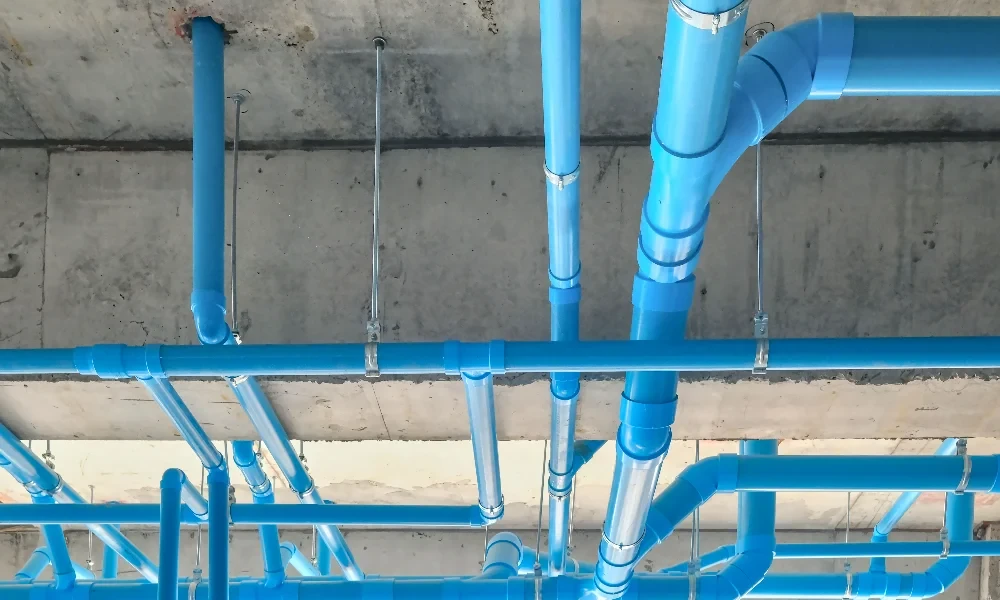
Effective stormwater drainage is essential in Brisbane’s subtropical climate, where intense summer storms can deliver significant rainfall in a short period. A properly functioning stormwater system directs rainwater away from a property’s foundations and structures, while a poorly performing one can lead to pooling, erosion, or water damage during heavy rain events.
How Stormwater Systems Work
Stormwater drainage collects rainwater from roofs, driveways, and paved areas, channelling it through gutters, downpipes, and underground pipes to a legal point of discharge – typically a council stormwater main or a designated drainage easement. This system operates separately from sewer drainage, which carries wastewater from toilets, sinks, and other fixtures to sewer infrastructure.
Why Brisbane’s Climate Makes This Important
Brisbane’s storm season, running roughly from November through March, regularly brings intense rainfall events that test the capacity of stormwater systems. Properties with inadequate stormwater drainage – undersized pipes, blocked downpipes, or poor grading around the foundation – are more prone to pooling water, and in more severe cases, water intrusion into the property during heavy storms.
Common Stormwater Problems
Blocked downpipes and gutters, often from leaf litter and debris, are among the most common issues, particularly in Brisbane’s established, tree-lined suburbs. Undersized or ageing stormwater pipes can struggle to cope with heavy rainfall, leading to overflow or backup during intense storms. Some older Brisbane properties still have combined stormwater and sewer systems, a configuration no longer permitted under current regulations, which can create backflow risk between the two systems during heavy rain.
Signs of Stormwater Drainage Problems
Water pooling near the foundation after rain, overflowing gutters during moderate rainfall, and downpipes that don’t seem to be moving water effectively are all signs worth having assessed. A CCTV inspection of underground stormwater pipes can identify blockages, root intrusion, or structural damage that isn’t visible from the surface.
Brisbane Providers for Stormwater Drainage
TBP Plumbing Lutwyche lists stormwater drainage among its core services, helping design and fix solutions to move water effectively off a property. As the Northside arm of The Brisbane Plumbers (QBCC #15066452), the business holds 458 Google reviews at 5.0 stars and the 2019 MPAQ BUSSQ Service Excellence Award (tbpplumbinglutwyche.com.au). S&J Plumbing and Gasfitting Brisbane Northside offers stormwater system upgrades alongside its broader plumbing and gas fitting services, holding QBCC Licence #15133522 and 1,041 Google reviews at 4.9 stars (sjplumbingandgas.com.au). Brisbane Plumbing and Drainage holds 3,306 Google reviews at 4.8 stars per Trustindex, offering drainage-focused plumbing services across the greater Brisbane area; pricing is not published on the website (brisbaneplumbinganddrainage.com.au). Jim’s Plumbing Chermside, led by Rhys Davis with 22+ years of experience, covers a broad territory including Brisbane CBD, North and South Brisbane, Ipswich, Moreton Bay, Logan, and Redland City, with a $0 call-out fee on weekdays between 7am and 5pm (jimsplumbingchermside.com.au).
Frequently Asked Questions
What’s the difference between stormwater and sewer drainage?
Stormwater drainage carries rainwater from roofs and paved surfaces to a legal discharge point, while sewer drainage carries wastewater from toilets, sinks, and other fixtures to sewer infrastructure. These are separate systems under current Queensland plumbing regulations, though some older properties still have them combined, which is no longer permitted for new work.
Why does my property flood during heavy rain even though I have gutters and downpipes?
This can indicate blocked or undersized downpipes, an underground stormwater pipe that’s blocked or damaged, insufficient grading directing water away from the foundation, or a combination of these factors. A plumber can assess the specific cause, sometimes using a CCTV inspection for underground sections.
Do I need council approval for stormwater drainage work?
Significant stormwater work, particularly anything affecting the connection to council infrastructure or altering drainage easements, often requires council approval or notification. A licensed plumber undertaking stormwater work can advise on what approvals, if any, apply to your specific situation.
