

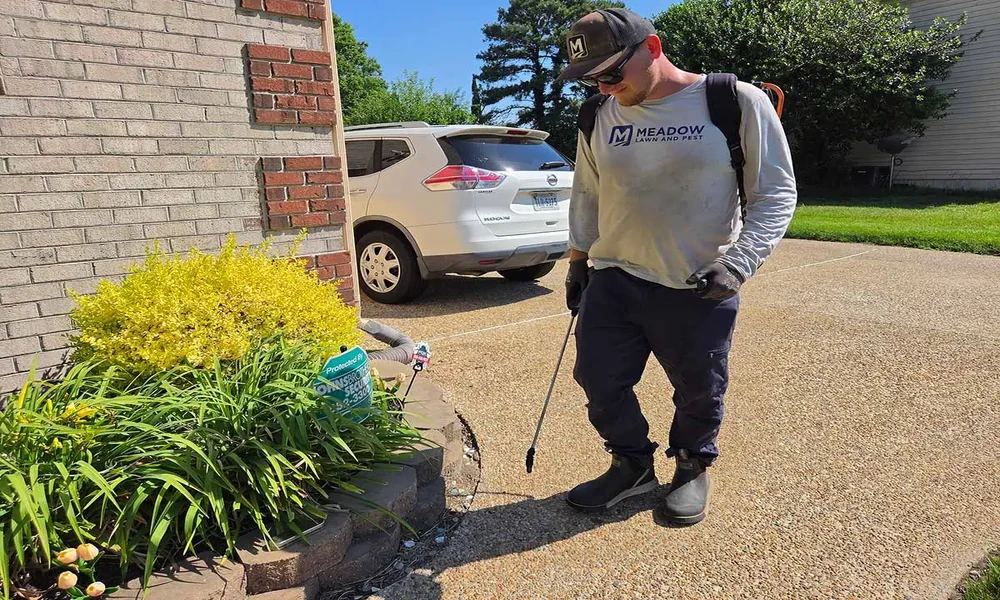
Clermont has warm, wet summers and milder, drier winters. Pest activity continues through the year, but the species homeowners notice can change with the weather. Some pests have clear seasonal peaks, while others remain active between them. Homeowners who call Saela in Clermont may notice that certain pest problems return at similar times each year. A seasonal checklist gives homeowners a better idea of which signs to watch for as the weather changes.
Summer weather creates several conditions that favor pest activity. Warm temperatures can speed the development of some insects, while rainfall creates standing water and damp areas that mosquitoes and other pests can use.
Spring Starts the Year’s Activity
Pest activity picks up as the weather warms in spring. Ants become more active and begin to forage around homes. Subterranean termite swarms become common in spring. Timing varies by species, but UF/IFAS identifies spring as the main swarming period for several Florida subterranean termites. Formosan subterranean termites, for example, typically swarm from early April through late June, with activity peaking in May.
Spring is a good time to check the outside of the house. Look for ant trails, clear leaves from the gutters, and watch for discarded termite wings near windows and doors.
Summer Is the Peak Season
Summer brings several of Clermont’s most noticeable pest problems, especially when heat and rainfall combine.
Summer rainfall can leave standing water around yards, giving mosquitoes places to lay eggs. Some Florida species can develop from egg to adult in about a week when conditions are suitable. Cockroaches also benefit from the combination of warmth and moisture. Larger outdoor species can move toward buildings when conditions outside become less suitable, while German cockroaches can remain active indoors. Ants and turf pests can remain active through the summer, with lawn damage becoming easier to spot after rain.
Summer maintenance comes down to a few recurring checks:
- Empty or cover anything outdoors that holds water after rain.
- Fix leaks and dry out damp spots indoors, since roaches look for moisture.
- Watch the lawn for raised tunnels or dying patches that point to mole crickets.
- Keep food sealed and counters clean to limit ant and roach trails.
Fall Moves Pests Toward the House
Warm weather can keep insect activity going into fall. Mole crickets have another period of heavy activity from late August into early October, while rodents can use attics, wall spaces, and other sheltered areas whenever they find an accessible entry point.
Fall is a good time to check the house for openings. Seal gaps around vents, pipes, roofline penetrations, and other places rodents could use to enter.
Winter Slows Pests but Does Not Stop Them
Clermont’s mild winter weather does not shut pest activity down. Some outdoor activity decreases during cooler periods, while pests that have already found shelter indoors can remain active. Rodents that have already entered an attic, garage, or wall void can remain there through the cooler months. Indoor areas with food, water, and shelter can continue to support cockroach activity during winter.
Winter is a good time to deal with anything already inside. Check the attic and garage for rodent signs. Watch the kitchen and bathrooms for roaches near warm, damp spots.
Match Your Checks to the Season
Clermont’s pest calendar reflects both seasonal weather and the life cycles of individual pests. A few seasonal checks can help homeowners spot the signs most relevant to that time of year. Inspect outside in spring and fall. Summer checks should include places where rainwater collects and any changes in the condition of the lawn. Checking for the right signs at the right time can catch an entry point, breeding site, or early infestation before it becomes harder to manage.
