

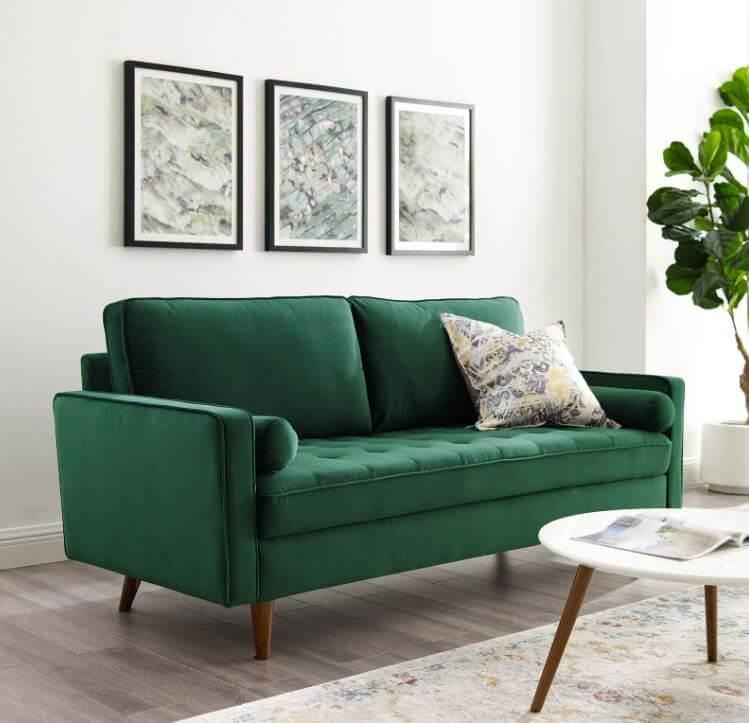
In today’s world, sustainability isn’t just a buzzword—it’s a lifestyle choice that impacts every corner of our homes. From energy-efficient appliances to eco-conscious flooring, homeowners are seeking ways to reduce their environmental footprint while maintaining style and comfort. One area where this intersection of sustainability and design is gaining momentum is sofa upholstery. The days of compromising style for eco-friendliness are over—modern homeowners can now enjoy sofas that are both chic and environmentally responsible.
Why Eco-Friendly Upholstery Matters
Sofa upholstery has a significant impact on the environment. Traditional fabrics, such as synthetic polyester or non-organic cotton, often involve high energy use, water consumption, and chemical processing. Moreover, low-quality fabrics wear out faster, leading to more waste as sofas are discarded or reupholstered frequently.
Choosing eco-friendly upholstery addresses these issues in multiple ways:
Sustainable Materials: Fabrics made from organic cotton, hemp, recycled polyester, or bamboo reduce reliance on non-renewable resources.
Low-Impact Dyes and Finishes: Eco-conscious manufacturers use dyes that minimize water and chemical pollution.
Durability: High-quality, sustainable fabrics often last longer, meaning fewer replacements and less waste over time.
In short, eco-friendly upholstery allows homeowners to align their interiors with their environmental values without sacrificing aesthetics.
Top Eco-Friendly Fabric Choices for Sofas
When it comes to choosing sustainable fabrics for sofas, several options are both stylish and practical:
Organic Cotton
Unlike conventional cotton, organic cotton is grown without harmful pesticides or synthetic fertilizers. It’s soft, breathable, and versatile, making it ideal for casual or sophisticated living spaces.
Hemp
Hemp is one of the most environmentally friendly fabrics available. It grows quickly, requires minimal water, and is naturally pest-resistant. Hemp upholstery is durable and develops a unique texture over time, giving sofas character and longevity.
Recycled Polyester
Made from recycled plastic bottles or textile waste, recycled polyester reduces landfill contributions and energy usage compared to virgin polyester. Modern processing techniques make it soft, durable, and resistant to stains—perfect for busy households.
Linen
Linen, derived from the flax plant, is biodegradable and requires less water than cotton. It’s lightweight, breathable, and offers a natural, sophisticated look that complements a variety of interior styles.
Bamboo
Bamboo fabric is highly renewable and naturally antibacterial. It has a silky texture and excellent moisture-wicking properties, making it both practical and luxurious for sofas.
Stylish Eco-Friendly Upholstery Trends
Eco-conscious homeowners no longer have to settle for muted or plain designs. Today’s sustainable fabrics come in a range of colors, patterns, and textures:
Earthy Tones: Shades like terracotta, olive green, and sandy beige evoke nature and complement eco-friendly design schemes.
Textured Weaves: Herringbone, basketweave, and jacquard patterns add visual interest and tactile comfort.
Bold Prints: Sustainable fabrics now feature bold botanical and geometric prints, proving that eco-friendly doesn’t mean boring.
Velvets and Plush Finishes: Recycled polyester velvets mimic the luxury of traditional velvet while remaining sustainable and durable.
By incorporating these fabrics, homeowners can create living spaces that are both modern and environmentally responsible.
Maintenance and Longevity: The Eco Advantage
Eco-friendly upholstery often boasts greater durability than conventional options. Fabrics like hemp and recycled polyester are designed to withstand daily wear, spills, and pets. Proper care further extends the life of your sofa:
Regular Cleaning: Vacuum your sofa weekly and address spills immediately to prevent staining.
Use Gentle Cleaners: Eco-friendly fabrics often respond best to mild, natural cleaning solutions rather than harsh chemical cleaners.
Rotate Cushions: Rotating cushions regularly reduces uneven wear, keeping sofas looking fresh longer.
By investing in high-quality, sustainable upholstery and practicing proper maintenance, homeowners can enjoy sofas that remain beautiful for years—reducing waste and contributing to a more sustainable lifestyle.
Choosing Eco-Friendly Sofas Beyond Fabric
Sustainability in sofa design goes beyond the fabric itself. Consider the following when selecting a truly eco-conscious sofa:
Frames: Opt for sofas made from FSC-certified wood or recycled materials.
Padding and Fillings: Look for natural or recycled fillings, such as wool, cotton batting, or recycled foam.
Local Production: Choosing locally made furniture reduces transportation emissions and supports ethical labor practices.
Combining sustainable fabrics with responsible construction results in sofas that are environmentally friendly from the inside out.
Final Thoughts
Eco-friendly sofa upholstery proves that sustainability and style can coexist seamlessly. By choosing fabrics like organic cotton, hemp, recycled polyester, or bamboo, homeowners can enjoy luxurious, long-lasting sofas while reducing Sofa Upholstery Abu Dhabi their environmental footprint. Pairing these materials with thoughtful design, maintenance, and sustainable frame construction elevates the living room into a space that’s both beautiful and responsible.
In 2026, eco-conscious design is not just a trend—it’s a statement. Choosing eco-friendly upholstery allows you to showcase your commitment to sustainability while creating a stylish and inviting home. With so many options available, there’s never been a better time to embrace sofa upholstery that’s stylish, sustainable, and long-lasting.
I
