

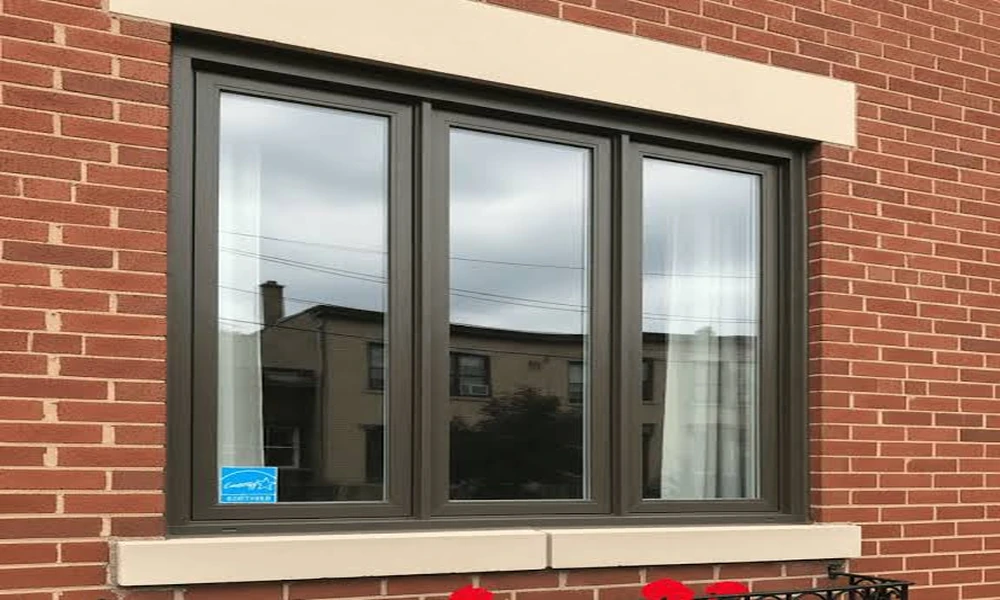
Chicago winters test every part of a home’s exterior, and windows are often where heat escapes first. Drafts, cold spots near the glass, and condensation on interior panes are familiar sights in older houses across the region.
Triple-pane windows promise better comfort and lower heating bills, but they also cost more than double-pane units. Whether the upgrade pays off depends on your climate, your home, and how long you plan to stay there.
What Makes Triple-Pane Windows Different
A triple-pane window uses three layers of glass separated by two sealed spaces, usually filled with argon or krypton gas. Each extra layer slows the movement of heat, and many triple-pane units carry low-emissivity coatings on more than one glass surface.
The result is a lower U-factor, the rating that measures how much heat passes through a window. The lower the number, the better the window insulates. Good double-pane windows typically land in the mid to high 0.20s, while many triple-pane products reach 0.22 or lower.
Why the Chicago Climate Favors Better Insulation
Chicago sits in the ENERGY STAR Northern climate zone, where heating dominates annual energy use. Under ENERGY STAR Version 7.0, windows in this zone need a U-factor of 0.22 or lower on the main path, or an alternative combination that pairs a slightly higher U-factor with greater solar heat gain.
Many manufacturers rely on triple-pane glass to meet that 0.22 threshold, which is one reason triple-pane units have become far more common in northern markets. Homeowners comparing replacement windows in Chicago will find these ratings printed on the NFRC label of every certified product.
The Real Costs of Triple-Pane Windows
Triple-pane windows generally cost more than comparable double-pane units, and the premium varies widely by brand, frame material, and size. The extra glass also makes each unit heavier, which calls for sturdier frames, balances, and hinges.
Energy savings alone rarely recover that premium quickly. The improvement over a good double-pane window is real but modest in dollar terms, so payback can stretch over many years. Homeowners replacing old single-pane or failed double-pane windows see much larger savings, because their starting point is so much worse.
Frames, Gas Fills, and Spacers Matter Too
The glass package is only part of the window. Vinyl frames are common and affordable, fiberglass frames resist expansion and contraction through Chicago’s temperature swings, and wood or clad-wood frames offer a traditional look with good insulating value. A triple-pane unit set in a poorly insulated frame will not reach its full potential.
Gas fill makes a difference as well. Argon is the standard choice and adds insulating value at modest cost, while krypton performs better in the narrow spaces common in triple-pane units but costs more. Warm-edge spacers between the panes further reduce heat loss and condensation along the edges of the glass.
Benefits Beyond the Energy Bill
Comfort is where triple-pane windows stand out. The inner glass stays warmer in winter, which reduces the chill people feel when sitting near a window and helps rooms heat evenly. That warmer surface also cuts condensation and frost on the interior glass, protecting sills and trim from moisture damage.
Noise reduction is another advantage. The extra pane and additional air space dampen the sound of traffic, trains, and aircraft, a meaningful benefit for homes near busy roads, rail lines, or the flight paths around O’Hare.
Paired with the right low-E coatings, triple-pane glass also blocks more ultraviolet light, which helps slow the fading of floors, rugs, and furniture in sunny rooms.
When Triple-Pane Windows Are Worth It
Triple-pane windows make the most sense for homeowners who plan to stay for many years, live with noticeable drafts or condensation, or have large areas of north-facing glass. They also suit homes near noise sources and owners pursuing high efficiency as part of a broader renovation.
Bedrooms, family rooms, and living spaces with large windows tend to gain the most. Some homeowners choose triple-pane units for the coldest and noisiest sides of the house and high-performance double-pane for the rest, balancing comfort against budget.
When Double-Pane May Be the Better Choice
A high-quality double-pane window with low-E coatings and gas fill performs well in Chicago and costs less. If you expect to sell within a few years, the comfort benefits may not translate into enough resale value to cover the extra cost.
Installation quality matters as much as the glass. A triple-pane window installed with gaps, poor flashing, or missing insulation around the frame will leak air and water no matter how many panes it has. Choosing an experienced installer is the most reliable way to get the performance shown on the label.
Questions to Ask Before You Buy
Ask for the U-factor and solar heat gain coefficient of each option and compare them on the NFRC label. Ask whether the frame and hardware are rated for the added weight, and what the warranty covers if the seal on the insulated glass fails.
Ask the installer how the window will be sealed into the opening, which flashing and insulation methods they use, and whether the work carries its own labor warranty separate from the manufacturer’s coverage.
It also helps to look at the whole wall. A window project is a natural time to inspect the surrounding siding, trim, and flashing, since air and water often enter around the frame rather than through the glass.
Conclusion
For many Chicago homeowners, triple-pane windows are worth the cost when comfort, quiet, and long-term ownership matter more than a quick payback. For shorter stays or tighter budgets, a well-installed double-pane window remains a strong choice.
Drafts rarely come from windows alone, which is why LEN Roofing, a Northbrook company working on North Shore homes since 2004, often plans window upgrades alongside new exterior doors so every major opening in the house is sealed at once.
