

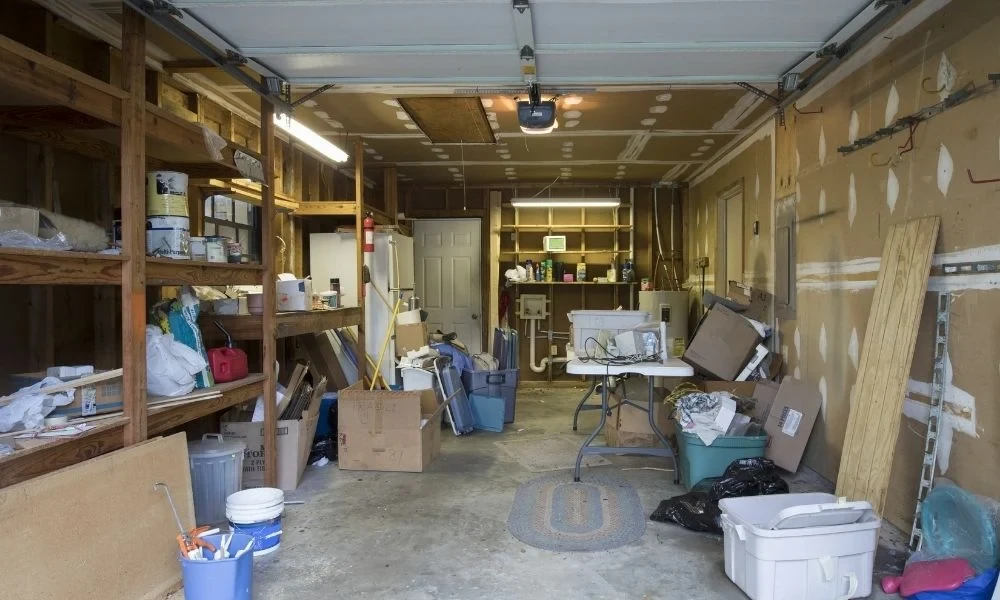
If you can’t park your car in your garage anymore, you’re not alone. Surveys consistently show that a large share of American homeowners use their garage primarily for storage, not vehicles. The bikes, the holiday decorations, the lawn equipment, the boxes you swore you’d sort through “next weekend” – it all piles up until the garage stops doing its actual job.
Here’s the truth most decluttering articles won’t tell you: the garage isn’t failing you. It was never designed to hold a household’s entire overflow. What most homes are missing isn’t better organization. It’s a second dedicated space – a storage shed built for exactly this purpose.
Why Garages Fill Up (And Why It’s Not Your Fault)
A typical two-car garage offers around 400 to 600 square feet. That sounds like plenty until you account for what actually lives there: two vehicles, trash and recycling bins, a workbench, tools, sports gear, and seasonal items. The math doesn’t work.
Modern life also generates more stuff than it did a generation ago. Homes have grown, but so have our belongings – camping gear, e-bikes, patio furniture, and kids’ equipment that rotates with the seasons. The garage became the default catch-all because it was the only flexible space available. That’s a design gap, not a personal failing.
What Is the Best Solution for Garage Overflow?
The most effective fix is separating storage from parking entirely. A backyard structure dedicated to overflow gives every category of item a permanent home, which does three things at once:
- Returns the garage to its intended use. Your car stays protected from sun, hail, and theft, which can also matter for insurance and resale value.
- Makes items easier to find. When everything lives in one overstuffed room, retrieval becomes archaeology. A dedicated outbuilding lets you organize by category: garden tools on one wall, seasonal bins on shelving, equipment on the floor.
- Stops the clutter cycle. Organizing a garage without adding capacity is like bailing water from a leaking boat. New square footage breaks the cycle for good.
How Much Space Do You Actually Need?
A good rule of thumb: inventory what’s currently blocking your parking spots, then add 25% for future growth.
For most households, that translates to:
- 8×10 feet (80 sq ft): Lawn equipment, garden tools, and a few bins
- 10×12 feet (120 sq ft): The most popular size – handles mowers, bikes, seasonal decor, and shelving with room to walk
- 12×16 feet or larger (192+ sq ft): Workshops, riding mowers, kayaks, or serious hobby storage
Many municipalities allow outbuildings under 120 square feet without a permit, though rules vary widely – always check local codes and HOA guidelines before you build or buy.
Shed vs. Garage Expansion: Which Costs Less?
Expanding an attached garage typically runs $40,000 to $80,000 or more once you factor in foundation work, roofing, and matching the existing structure. By contrast, a quality prefab or custom outbuilding usually lands between $2,000 and $15,000, depending on size and materials. For pure overflow capacity, the standalone option delivers dramatically more square footage per dollar.
There’s also a speed advantage. A garage addition can take months of permitting and construction. A prefabricated unit can often be delivered and installed in a single day.
What Features Matter Most?
Not all backyard buildings are created equal. Prioritize these:
- A solid foundation. Gravel pads or concrete piers prevent moisture damage and keep doors aligned over time.
- Ventilation. Airflow prevents mildew on stored fabrics, cardboard, and equipment.
- Wide door openings. Measure your largest item – usually a mower or bike – and add clearance.
- Vertical storage potential. Wall height matters more than people expect. Taller walls mean lofts, hooks, and shelving that multiply usable capacity.
- Durable siding and roofing. Resin and metal resist rot; wood offers strength and curb appeal but needs maintenance.
The Real Payoff: A Garage That Works Again
Picture pulling into your driveway on a rainy night and driving straight into a clean, open garage. No squeezing past bins. No scraping the mirror on a shelf. That’s not a fantasy – it’s what happens when overflow finally gets its own address.
The freed-up space pays dividends beyond parking, too. Homeowners routinely convert reclaimed garage space into home gyms, workshops, or hobby areas once the clutter has somewhere else to live.
Stop blaming the garage. Stop blaming yourself. The problem was never organization – it was capacity. Adding a second dedicated structure to your property is one of the highest-impact, lowest-cost upgrades a homeowner can make. Your car gets its home back, your belongings get theirs, and you get to retire the phrase “I’ll deal with it next weekend” for good.
