

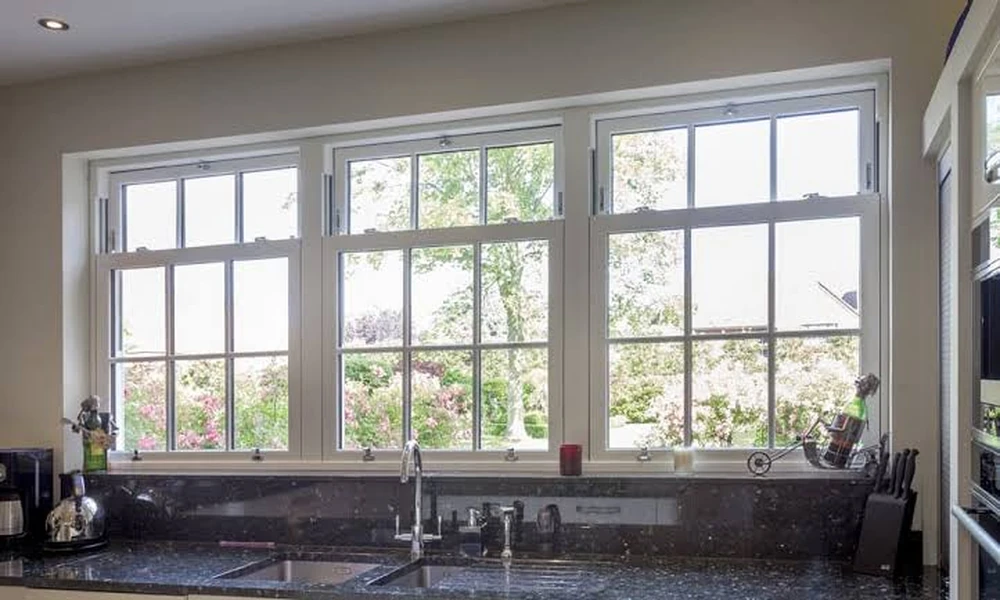
For most Indian homes, uPVC windows offer better noise reduction, thermal insulation, and low maintenance, making them ideal for busy urban streets. Aluminium sliding windows suit larger openings and modern, slim-framed looks. If quiet and comfort top your list, uPVC usually wins. If you want a sleek, sturdy frame for wide views, aluminium is worth considering.
City life is loud. Traffic, construction, honking, and neighbourhood noise seep through poorly sealed windows every single day. The right window can turn a noisy bedroom into a calm retreat. In this post, you’ll learn how uPVC and aluminium sliding windows compare across noise, durability, insulation, and cost, so you can choose the style that suits your home and budget.
Noise Reduction: Which Keeps the City Out?
If a quieter home is your goal, this factor matters most. uPVC windows are built with multi-chambered frames and tight rubber seals that block a significant amount of outside noise. Paired with double glazing, they can reduce sound noticeably, which is why they work so well on busy roads.
Aluminium sliding windows perform reasonably too, but the metal frame conducts sound and vibration more readily. A well-engineered aluminium sliding windows design with quality gaskets narrows the gap, though uPVC still holds the edge for pure acoustic comfort.
Thermal Insulation and Energy Savings
Heat control is a real concern in Indian summers. uPVC is a natural insulator, so it resists heat transfer and helps keep interiors cooler. This can ease the load on your air conditioner and trim electricity bills over time.
Aluminium conducts heat easily, which means an untreated frame warms up quickly. Modern versions counter this with a thermal break, a small insulating strip inside the frame. Even so, aluminium generally lags behind uPVC on insulation.
Durability and Maintenance
Both materials last well, but they age differently. uPVC windows resist moisture, rust, and termites, and a simple wipe-down keeps them looking fresh for 20 years or more. They handle humidity and coastal air without corroding.
Aluminium is exceptionally strong and holds slim, elegant profiles that suit large openings. It resists warping but can corrode in salty, coastal conditions unless properly coated. A thoughtful aluminium sliding windows design with powder-coated finishes extends its life considerably.
Cost Comparison
Budget often settles the debate. Aluminium sliding windows usually cost less upfront, which appeals to buyers watching their spending. uPVC carries a higher initial price, but its energy savings and low upkeep often pay off over the years. Think of it as short-term cost versus long-term value.
Pros and Cons at a Glance
uPVC windows:
- Excellent noise reduction and insulation
- Low maintenance, no rust or termites
- Higher upfront cost
- Fewer ultra-slim frame options
Aluminium sliding windows:
- Slim, strong frames for wide views
- Lower initial price
- Weaker insulation without a thermal break
- Can corrode in coastal climates
Conclusion
Choosing between these window styles comes down to your priorities and location. Pick uPVC if you live near heavy traffic, want lower cooling bills, and prefer minimal upkeep. It rewards homeowners who value comfort and quiet.
Choose aluminium if you want large, uninterrupted glass panels, a contemporary metal finish, or a tighter budget. When comparing window styles, weigh your climate too: coastal homes benefit from treated aluminium or moisture-proof uPVC, while inland city flats gain most from uPVC’s sound-blocking strength.
