

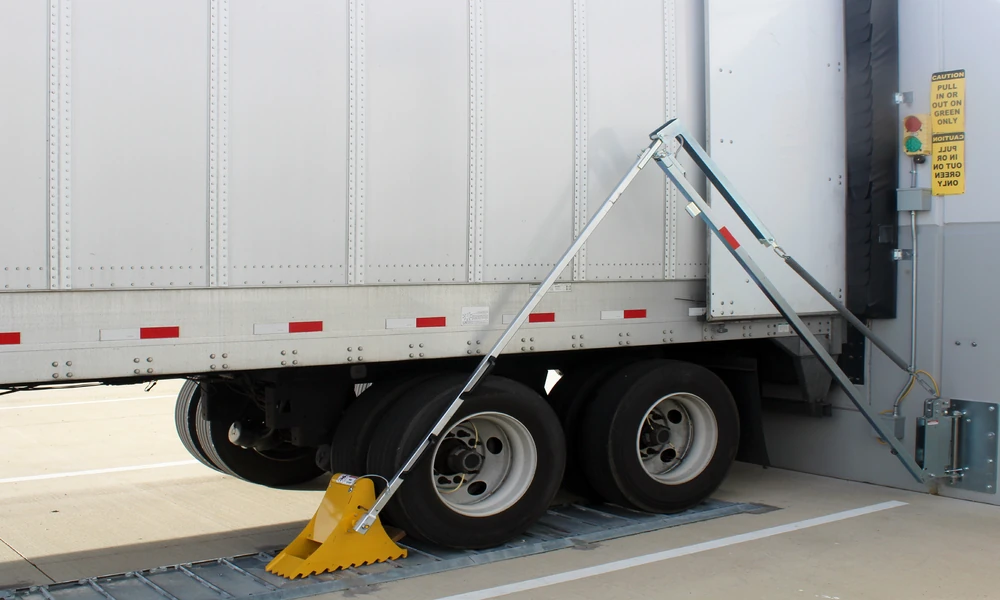
Chaos can unfold in seconds on a busy loading dock. Trucks roll in and out. Forklifts dart between pallets. A single slip, a gap, or an unexpected vehicle movement can put lives at risk. It is in these pressured environments that vehicle restraints prove their worth, transforming hazardous workplaces into safer, more controlled spaces.
Early Challenges in Loading Dock Safety
Before modern technology stepped in, loading docks were high-risk zones. Fast-paced schedules and heavy machinery combined with unpredictable driver behavior meant that accidents could happen at any time.
Common Hazards in Busy Loading Docks
Dock workers faced daily threats: trucks creeping forward as they were being loaded, vehicles pulling away too early, or trailers suddenly shifting. These unpredictable movements often caused falls, crush injuries, and costly equipment damage.
Initial Approaches to Vehicle Docking Safety
The first line of defense was often rudimentary, wheel chocks and verbal agreements with drivers. Workers placed blocks behind wheels and hoped for the best, or simply trusted that drivers would stay put until loading was complete.
Limitations of Early Safety Measures
Yet wheel chocks could slip or be forgotten entirely. Verbal communication was not foolproof, especially in a noisy, fast-moving dock environment. The margin for error was too large, and incidents continued to mount.
The Emergence of Vehicle Restraints
The need for a reliable solution led to the development of vehicle restraint systems. They provided a physical connection between the truck and the dock, reducing the risk of premature or accidental vehicle movement.
What Are Vehicle Restraints?
Vehicle restraints are mechanical devices, mounted on the dock, that lock onto a truck’s rear impact guard or wheels. This mechanism physically prevents the vehicle from moving during loading or unloading.
Key Features That Improved Dock Safety
Early restraints introduced a game-changing level of control. They offered visual indicators, lights or signals, to notify workers when it was safe to unload, and when a truck was properly secured.
Early Models and Their Impact
Initial designs were primarily mechanical, relying on manual engagement. Despite their simplicity, these devices immediately drove down incident rates, proving that securing vehicles could save both lives and equipment.
Technological Advancements in Vehicle Restraints
Innovation did not stop with mechanical models. The demands of modern logistics pushed the industry toward more sophisticated, user-friendly, and safer restraint systems.
From Mechanical to Hydraulic and Air-Powered Systems
Hydraulic and air-powered vehicle restraints raised the bar. These systems required less physical effort to operate and could adapt to a greater variety of truck types and dock heights, making them suitable for diverse operations.
Integration of Touchscreen Controls and Automation
Today’s vehicle restraints often feature touchscreen control panels, allowing operators to monitor and manage the securing process with precision. Automated sensors and feedback systems have virtually eliminated the guesswork, alerting personnel instantly if something goes wrong.
Environmental and Operational Benefits
Many modern restraints boast energy-efficient and environmentally friendly designs. Reducing manual labor and minimizing equipment damage means lower long-term costs and less waste from accidents.
How Modern Vehicle Restraints Enhance Safety
The real value of these innovations comes into focus when you look at their everyday impact on loading dock operations.
Preventing Vehicle Movement During Loading and Unloading
By mechanically locking trailers in place, vehicle restraints eliminate unsafe gaps and sudden shifts. Workers can load and unload with confidence, knowing the trailer will not budge.
Reducing Injuries and Equipment Damage
Fewer “drive-away” or “trailer creep” incidents mean fewer injuries and less damaged goods. This translates directly to improved employee morale and reduced insurance claims.
Compliance with Industry Safety Standards
Vehicle restraint systems are now standard for facilities seeking to comply with rigorous workplace safety regulations. Many insurance companies and safety inspectors consider them a minimum requirement for busy docks.
Complementary Loading Dock Equipment Supporting Safety
While vehicle restraints are critical, true loading dock safety relies on a full suite of equipment working in concert.
Dock Levelers and Their Synergy with Vehicle Restraints
Dock levelers bridge the height gap between truck beds and the dock floor, ensuring smooth transitions for forklifts and pallet jacks. When paired with restraints, they help maintain a secure, stable platform throughout the loading process.
Dock Lifts and Scissors Tables for Versatile Handling
Dock lifts and scissors tables give facilities the flexibility to handle a range of vehicle types and load sizes, reducing manual handling and the risk of lifting injuries.
Accessories That Improve Overall Dock Safety
Accessories such as dock bumpers, wheel chocks, and LED lamps add layers of protection and visibility, further reducing the likelihood of accidents.
Resources like Door Doctor loading dock equipment provide an overview of these integrated safety solutions, making it easier for businesses to evaluate and select the right combination for their operations.
Installation, Maintenance, and Best Practices
Even the most advanced safety equipment requires proper installation and ongoing care.
Easy Installation Procedures for Vehicle Restraints
Modern vehicle restraints are designed for straightforward installation, minimizing downtime. Many models can be retrofitted to existing docks without major renovations.
Routine Maintenance to Ensure Reliability
Regular inspections and preventive maintenance keep these systems working as intended. Checking for wear, testing controls, and keeping mechanisms clean are essential steps.
Training and Operational Guidelines for Dock Personnel
Comprehensive training ensures that workers not only use the equipment properly but also recognize signals and warning systems. Clear operational guidelines help build a culture of safety and accountability.
The Future of Vehicle Restraints in Loading Dock Safety
Looking ahead, new technologies promise even greater protection and efficiency.
Emerging Technologies and Smart Systems
Expect to see more smart restraints with remote monitoring, data logging, and integration with facility management software.
Trends Toward Greater Automation and Connectivity
As automation takes hold, loading docks will rely on connected safety devices that communicate in real time, reducing the chance for human error.
Predictions for Safer, More Efficient Loading Docks
The combination of physical controls, automation, and data-driven insights points toward a future where safety and productivity go hand in hand, making the loading dock a safer place for everyone.
